

Share Articles
Latest Articles
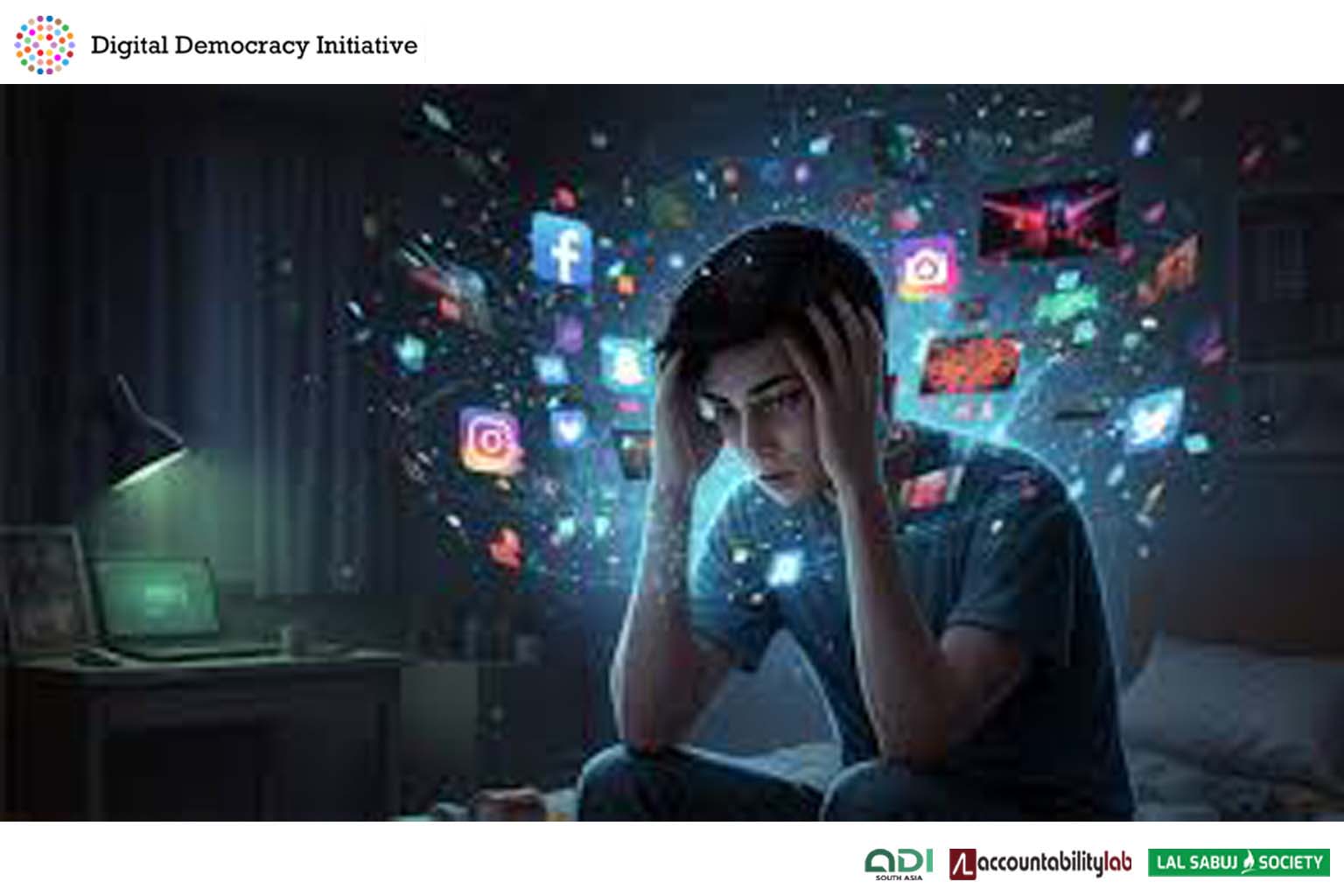
It was 11:30 PM. Sitting in her small university hostel room, Ariba (fakename) posted her personal opinion on Facebook regarding a recent incident about women’s safety. For the first few minutes, everything seemed normal. Then, the notifications started pouring in. Instead of support, she faced a wave of aggressive comments, foul language, personal insults, and threats.
“What do you even know about this?”
“Society is ruined because of girls like you.”
“Shut up, or we will handle you.”
Ariba tried to reply at first, but she couldn’t keep up. She silenced her phone and put it away. But even though the sound stopped, the pain of those words didn’t. She couldn’t sleep for days or focus on her classes. Eventually, she took a break from social media altogether.
Virtual Hits, Real Pain
Ariba’s story is not unique. In the digital age, while it has become easier to express opinions, hate speech and online bullying have also increased. For teenagers and young adults, this is becoming a silent mental health crisis.
Many people dismiss online hate as “just stuff on a screen.” However, psychologists say digital attacks cause real mental reactions. When a young person is repeatedly insulted for their identity, beliefs, or opinions, it directly hits their self-esteem.
Rafi, a private university student in Dhaka, shared his experience after posting about a political issue. He was labeled a “traitor” in hundreds of comments, and some people even shared his personal photos to mock him. “I was afraid to go outside for a few days,” Rafi said. “I felt like everyone knew me and everyone hated me.”
The Role of Algorithms
Experts believe that social media algorithms make this problem worse. Aggressive or controversial content usually gets more engagement— likes, comments, and shares. As a result, hate spreads faster. This creates “echo chambers” where users only see opinions that match their own, and anyone with a different view is easily targeted as an enemy.
Sociologist Dr. Salma Akter says, “Seeing hateful language repeatedly in digital spaces numbs our feelings. We start thinking that this behavior is normal.”
Freedom of Speech or Lack of Responsibility?
Many argue that freedom of speech is the foundation of democracy. But is this freedom limitless? When individuals are targeted because of their religion, gender, or political views, it is no longer just “expression”—it is an attack.
Human rights activists point out that online hate often leads to real-world violence. In South Asia, there have been several cases where viral posts led to physical attacks on the streets.
The most concerning part is that many young people are becoming silent. They are afraid to speak up or join discussions on social issues. According to psychologist Dr. Mehjabin Rahman, “Constant online attacks make a young person doubt their own values. In the long run, this destroys their confidence.”
What Needs to be Done?
Experts suggest a few key steps to handle this crisis:
- Better Moderation: Social media platforms need more effective ways to remove hate speech.
- Education: Schools should teach “Digital Citizenship” and responsible online behavior.
- Support: Mental health help must be made easily available for victims of online bullying.
- Reporting: The process for reporting hateful content must be simple and fast.
The digital world is no longer a separate place; it is an extension of our real lives. The hate spread online eventually damages hearts, relationships, and social peace. While freedom of speech is necessary, responsibility is equally important. A single comment is not just a word, sometimes, it can be the start of a lifelong mental scar.