

Share Articles
Latest Articles
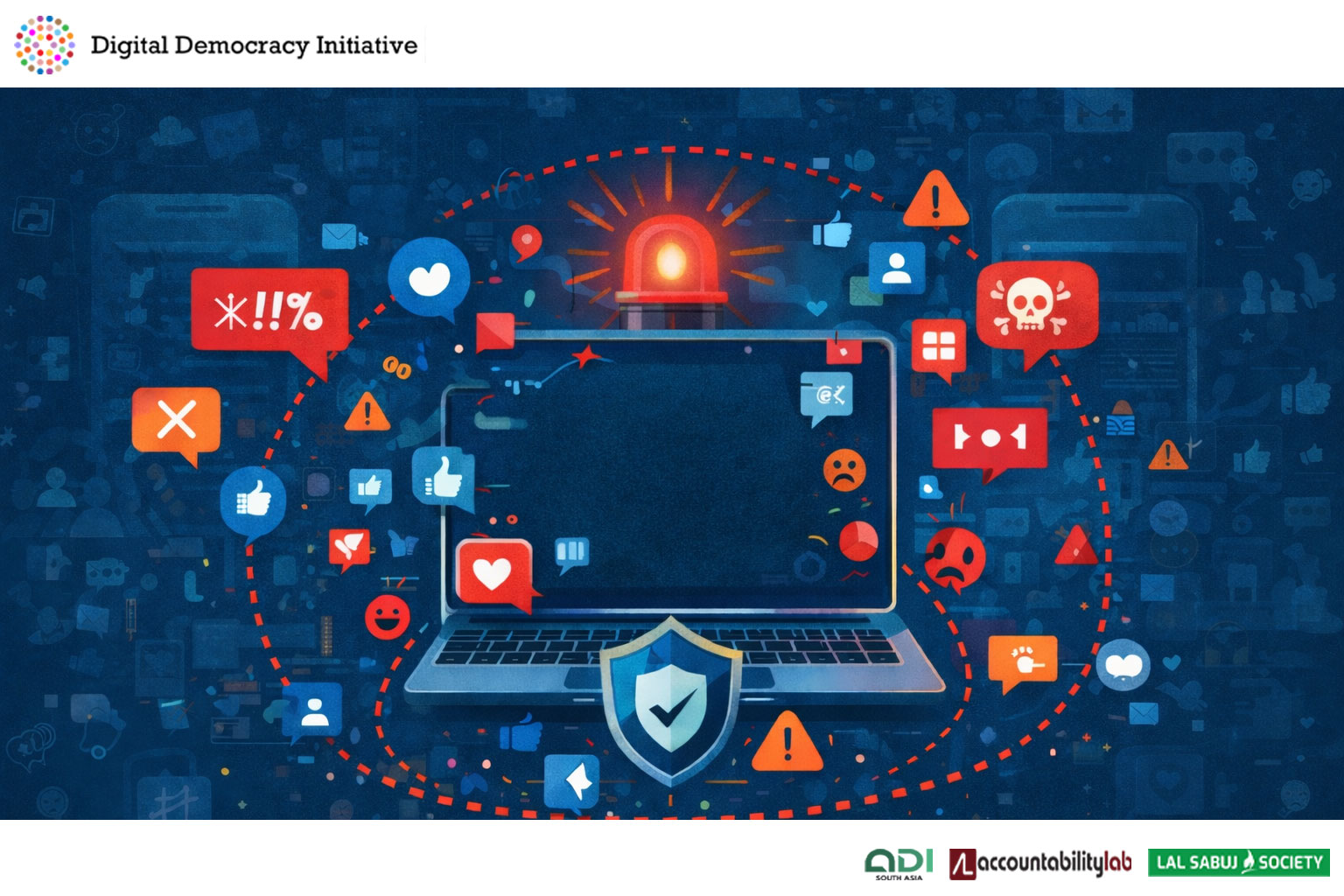
It was late at night. Under the glow of her desk lamp, Neela (not her real name) stared at her smartphone. Notifications were popping up every second, but none of them brought good news. Below her post about a social issue, thousands of abusive comments were piling up. Some threatened to leak distorted photos of her, while others sent vulgar messages to her inbox. Neela felt as if the walls of her room were closing in. To her, this wasn’t just happening on a screen; it felt as if the entire world was judging her.
In Bangladesh’s massive digital sea of over 130 million internet users (according to BTRC), thousands of young women like Neela face these “invisible storms” every day. While we call it ‘Cyberbullying,’ for the victims, it is a devastating mental trauma.
Visible Voices, Invisible Attacks
As the citizen’s voice has grown stronger in this digital democracy, the methods to silence it have become equally cruel. Reports from various human rights and technology organizations in 2023–24 show that female journalists, students, and young activists are the primary targets of online harassment. It is no longer just personal; it is now being used as a planned tool for ‘Character Assassination.’
A university student in Dhaka shared her experience: “After I posted about politics, my personal photos were edited and made viral from fake accounts. When I saw the news reach my parents’ phones, I was speechless. I couldn’t leave my house for weeks.”
Misuse of Technology and Legal Reality
The forms of cyberbullying are now multidimensional—ranging from leaking personal information (Doxing) to distorting images using ‘Deepfake’ technology. Social media algorithms often accelerate the spread of controversial content, helping hateful messages go viral like wildfire.
Although Bangladesh has the ‘Cyber Security Act’ for legal protection, many victims hesitate to file complaints due to social stigma or fear of long legal delays. However, the Police Cyber Crime Unit and the National Helpline are now more active than ever. While laws exist, a shift in social perspective is necessary to reap their full benefits.
What to Do: You Are Not Alone
The digital space is the new stage for the citizen’s voice. But if that stage is filled with fear and insults, democracy suffers. To stop the violence hidden behind screens, collective resistance is required.
If you or someone you know is a victim of online harassment, take action immediately:
- Keep Evidence: Save screenshots and URLs (links) of the harmful comments or posts.
- Report it: Report directly to the social media platform and choose the ‘Harassment’ option.
- Seek Help: Call 999 for immediate legal assistance.
- Cyber Police: Contact the ‘Police Cyber Support for Women’ Facebook page or call 01320000888.
- Privacy Settings: Enable Two-Factor Authentication on your accounts and avoid accepting friend requests from strangers.
Digital citizenship means freedom, and the foundation of that freedom is safety and dignity.