

Share Articles
Latest Articles
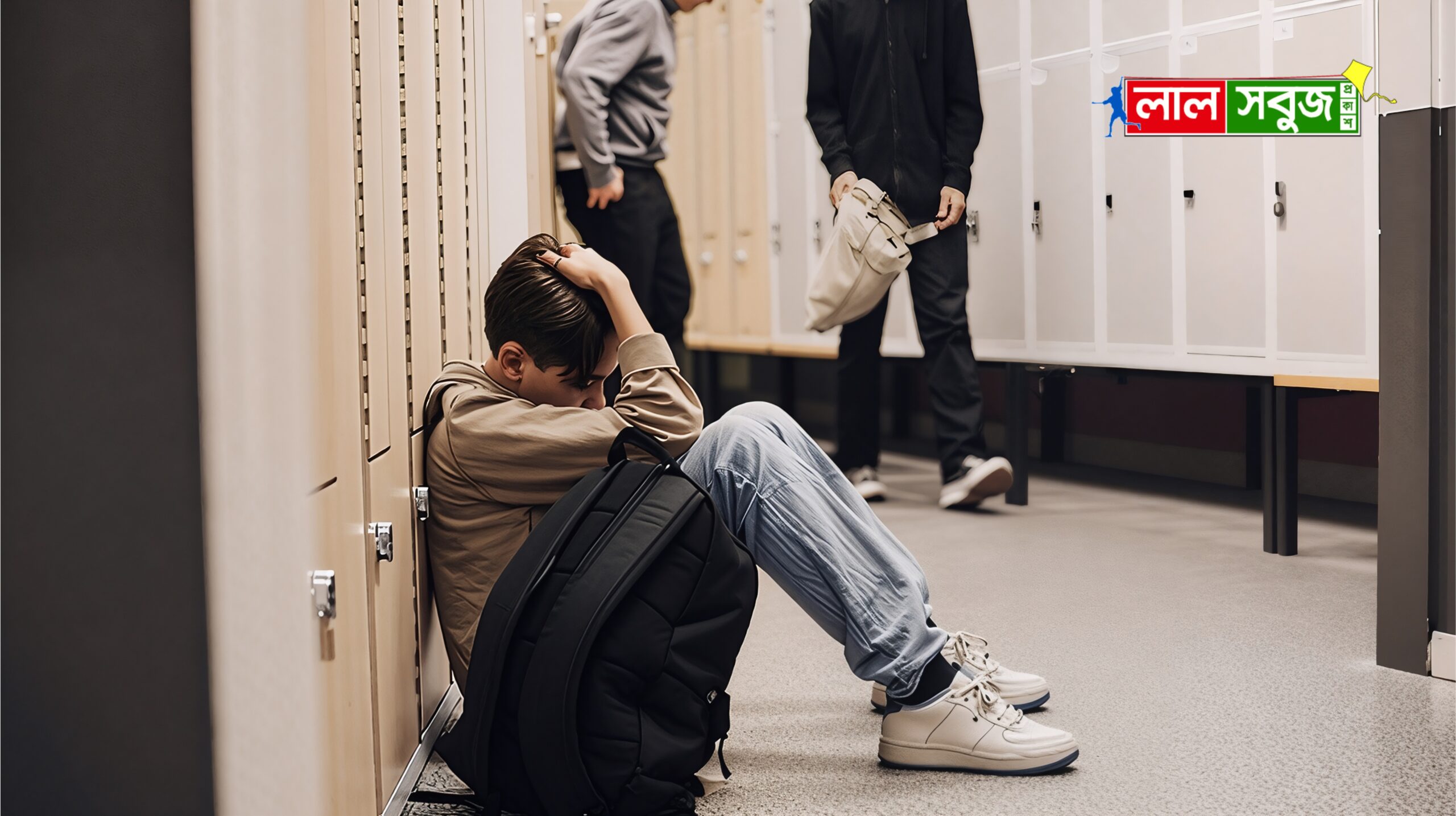
Due to modern lifestyles, academic pressure, career concerns, and social expectations, mental stress among young people is rising rapidly. Experts warn that if this stress is not addressed in time, it can lead to anxiety, depression, and even suicidal thoughts.
According to data from the World Health Organization, in 2019 one out of every eight people worldwide suffered from some form of mental disorder. After the COVID-19 pandemic, the number has increased even further.
A 2023 study by the National Institute of Mental Health found that nearly 50 percent of people in Bangladesh experience mental stress, with about 30 percent suffering from depression and anxiety-related problems.
Meanwhile, a study published in BMC Psychiatry revealed that 73.5 percent of school-going adolescents in Bangladesh show signs of mental stress.
What is Mental Stress?
Mental stress occurs when there is a conflict between a person’s demands and their ability to cope with them. When individuals feel unable to manage tasks or problems, they may experience discomfort, anxiety, or frustration.
Common Symptoms of Mental Stress
Mental stress can cause various physical, psychological, and behavioral symptoms.
Physical symptoms: Headaches, sleep disturbances, dizziness, indigestion, or changes in body weight.
Psychological symptoms: Anxiety, fear, irritability, frustration, and feelings of loneliness.
Behavioral symptoms: Social withdrawal, overeating, or loss of appetite.
Simple Ways to Reduce Mental Stress
1. Religious practice and prayer: Prayer and spiritual activities often bring mental peace.
2. Take a walk: Spending some time walking outside or being close to nature can help reduce stress.
3. The ‘4-7-8’ breathing technique: Inhale for 4 seconds, hold the breath for 7 seconds, and exhale for 8 seconds. This method helps calm the mind quickly.
4. Take breaks from digital devices: Excessive use of social media and digital devices can increase stress, so regular breaks are important.
5. Talk to someone you trust: Sharing your problems with friends or family members can greatly reduce mental pressure.
6. Travel and spend time in nature: Being close to nature can refresh the mind and reduce worries.
7. Practice yoga and meditation: Regular yoga and meditation help maintain mental well-being.
Experts emphasize that mental stress should not be ignored. Taking timely steps and seeking help from family, friends, or professionals when necessary is essential for maintaining mental health.