

Share Articles
Latest Articles
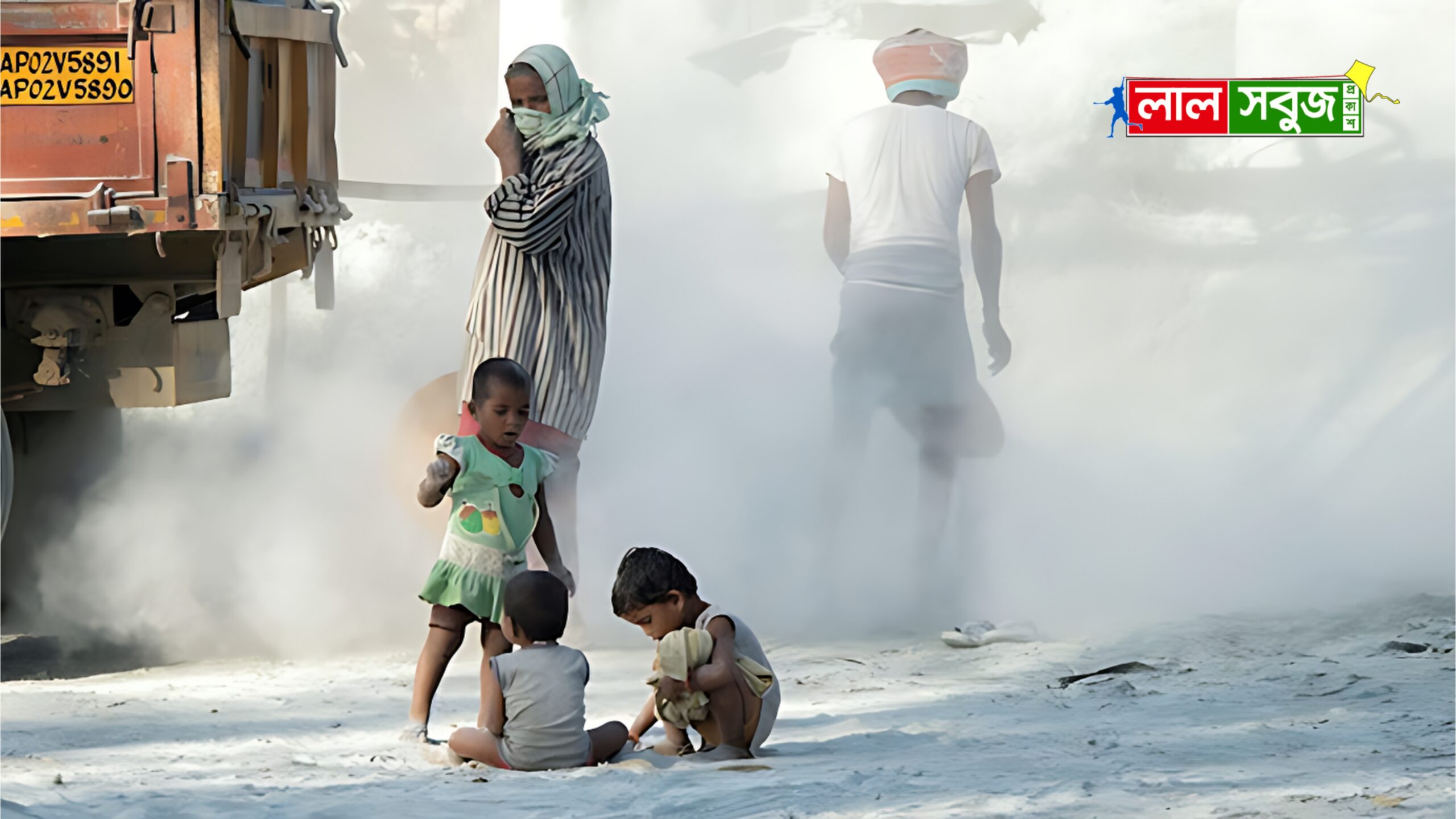
Air pollution is steadily increasing in the capital city of Dhaka as well as in various cities across the country. Recently, Dhaka’s position near the top of the list of the world’s most polluted cities has created renewed concern. Among those most affected by this pollution are children, whose health and future are at serious risk.
Children’s respiratory systems are not yet fully developed. As a result, extremely fine particles present in polluted air, such as PM2.5 and PM10, can easily enter their lungs. This increases the risk of respiratory problems among children, including breathing difficulties, asthma, cough, and pneumonia.
According to doctors, long-term exposure to polluted air can hinder the normal growth of children’s lungs. In many cases, there is also a risk of reduced lung capacity. Additionally, air pollution can weaken children’s immune systems.
Air pollution does not only affect the respiratory system. Research shows that it may also negatively impact brain development in children. This can lead to problems such as lack of concentration, learning difficulties, and behavioral changes.
Experts further say that polluted air can cause eye irritation, skin problems, and headaches in children. Those who regularly play outside or travel to school are comparatively more exposed to these risks.
Environmentalists warn that without effective measures to control air pollution, future generations will face serious health threats. They emphasize the need for urgent steps to control emissions from brick kilns, reduce black smoke from vehicles, and manage dust from construction activities.
Meanwhile, doctors have advised parents to follow certain precautions to protect their children. When air pollution levels are high, children should avoid unnecessary outdoor activities. If they need to go outside, wearing masks is recommended, and maintaining a clean indoor environment is also important.
Air pollution is not just an environmental issue—it is a major public health crisis, with children becoming its most vulnerable victims.