

Share Articles
Latest Articles
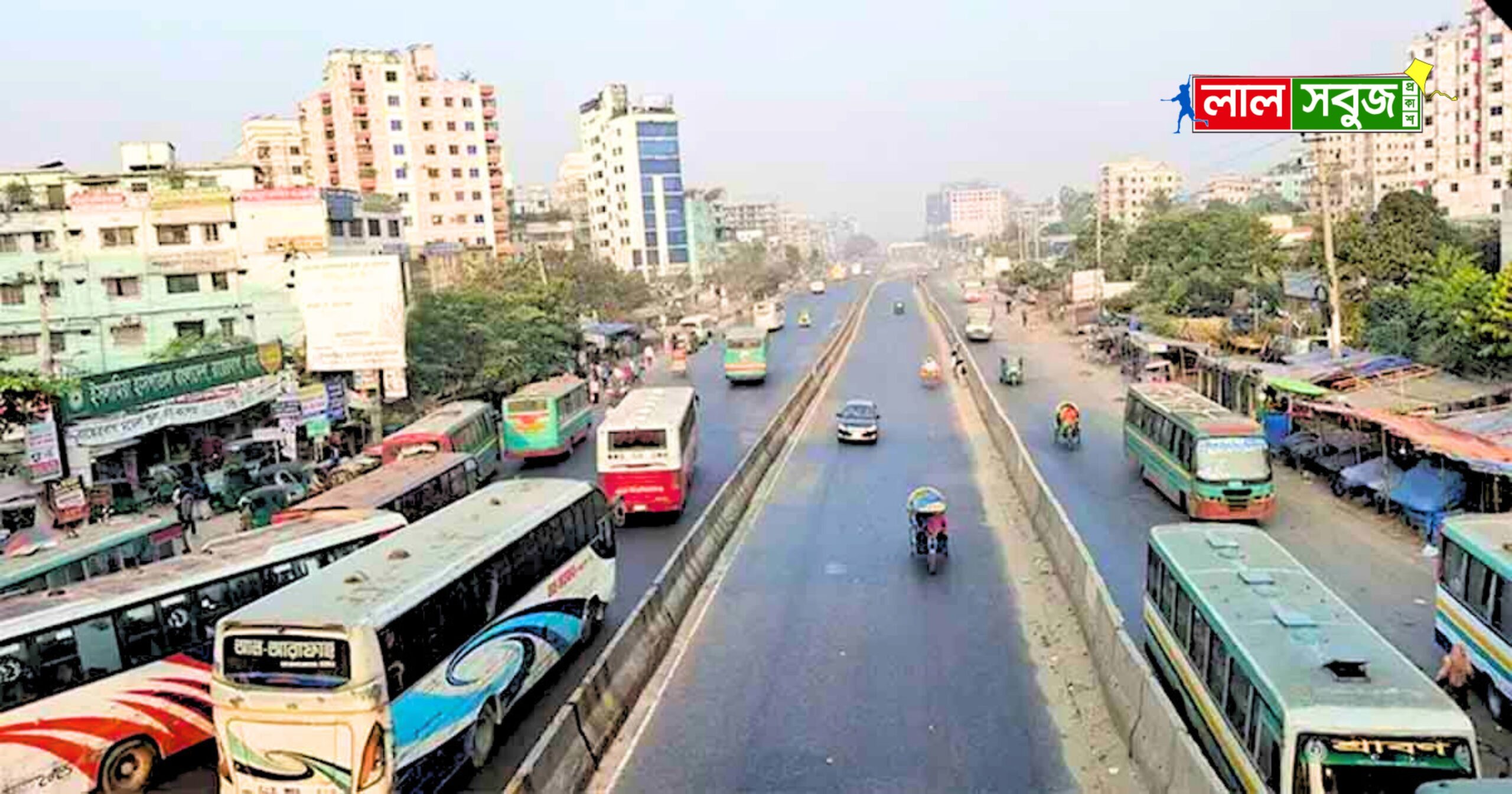
Public transportation in the capital has been affected by uncertainty surrounding fuel supply. According to transport sector insiders, although a rationing system is in place, diesel is not being supplied according to demand. As a result, many buses are operating fewer trips than usual, causing inconvenience for daily commuters.
Over the past few days, conversations with transport workers at several filling stations in areas such as Mohakhali, Khilkhet, Kuril, Airport, and Uttara in Dhaka revealed that many bus drivers are receiving much less fuel than they actually need.
Less Fuel Than Required
Under the government’s rationing policy, a local bus is supposed to receive 70–80 liters of diesel per day, while a long-distance bus is allocated 200–220 liters. However, in reality many drivers say they are receiving only 20–25 liters, while long-distance buses are getting 40–50 liters at most.
Drivers say that due to the heavy traffic in the capital, at least 50–70 liters of diesel are needed daily to complete two to three trips.
Drivers’ Experiences
Faisal, a bus driver on the Gulistan–Gazipur route, said:
“Running three trips a day requires about 110–115 liters of fuel. But I managed to get only 80 liters from two pumps combined. So reducing trips is the only option.”
Mosaraf, a driver of Bolaka Paribahan, said:
“Where I need around 60 liters, I’m getting only 20 liters. It’s impossible to operate three or four trips a day.”
Shamsul, a driver of Airport Paribahan, said many pumps are giving no more than 20 liters, while some stations have no fuel at all. As a result, drivers have to visit multiple pumps, wasting valuable time.
‘No Fuel’ Signs at Pumps
Visits to several filling stations in the capital showed signs reading “No Fuel Available.” Many drivers on the Badda route said they are trying to collect fuel from nearby areas such as Tongi or Gazipur.
Ismail, a driver of Gazipur Paribahan, said:
“I need 40 liters, but they give only 10 liters. After a while, I have to return to the pump again.”
Pressure Increasing Due to Rumors
Filling station authorities say that fuel stocks still exist. However, rumors of shortages have spread, causing many people to purchase and store more fuel than necessary, which is complicating the situation.
Brigadier General (Retd.) Md. Jamal Hossain, Director of Trust Energy under the Army Welfare Trust, said:
“There is no reason to panic about fuel. Oil is being supplied according to the government’s rationing policy.”
Suffering for Passengers
With fewer buses operating, many commuters in the capital have to wait for long periods. The difficulties are increasing for people who regularly travel to offices or educational institutions.
Transport insiders warn that if the situation does not normalize soon, the number of bus trips may decrease even further, leading to greater hardship for passengers. 🚍