

Share Articles
Latest Articles
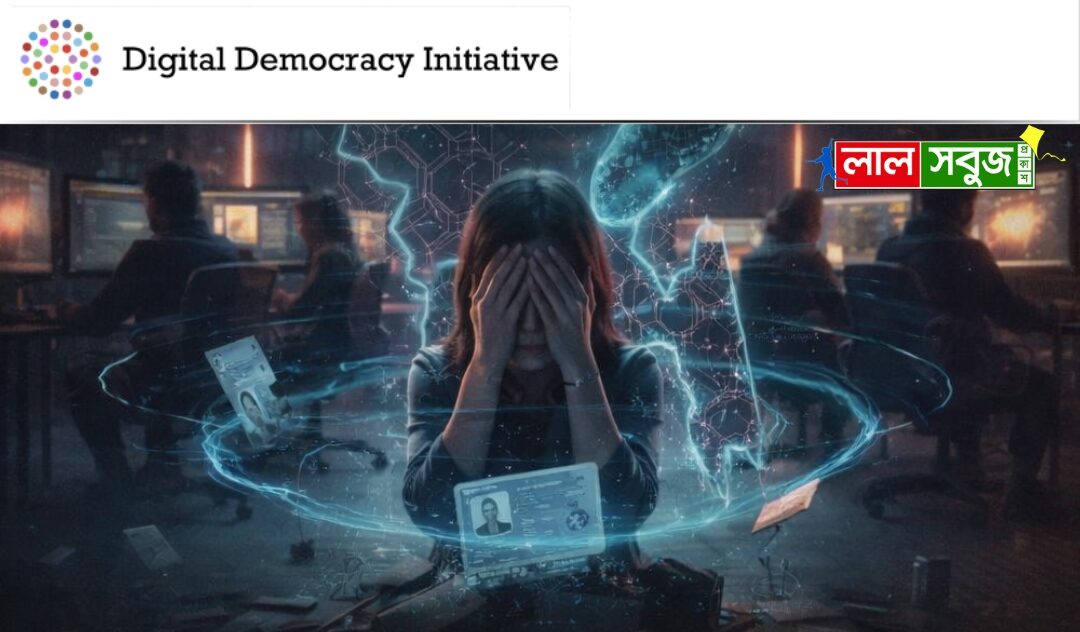
Rafat, a student of the Bengali Department at Begum Rokeya University for the 2023–24 session, had simple dreams for his future. However, a routine mobile banking transaction turned into a nightmare for him.
On February 19, Rafat went to a shop near the campus to “cash in” money to his Bkash account. It was a common financial transaction made by thousands of students every day. But the next morning, the trouble began.
He received a call from an unknown number. The caller claimed that a legal case had been filed against Rafat due to an “illegal transaction” linked to that specific shop. Naturally panicked, Rafat asked for a solution. The caller told him that “Police Headquarters” would contact him shortly.
Soon after, another call came. The person identified himself as an official from the Police Headquarters. He told Rafat that if he sent BDT 17,300 to a specific number, the “illegal” transaction would be canceled, the money would be refunded, and the case would be withdrawn. Under extreme pressure and fear, Rafat sent BDT 17,000. Within moments, the recipient’s account was shut down, and the phone number went dead.
Rafat is not alone. Many students and even teachers at the university have fallen victim to similar scams. Reports suggest that several people who transacted at that specific agent shop received similar threatening calls. This indicates that it was not an isolated incident but a planned operation by an organized criminal gang.
This incident is more than just financial fraud; it is a direct hit on the foundation of digital democracy. A key requirement of digital services is the privacy and security of citizen data. When an agent leaks personal transaction details to criminals, it becomes a severe violation of “Data Sovereignty.” If a student’s phone number and transaction details end up in the hands of criminals, it poses a threat to both their financial and mental security.
More alarmingly, these scammers use the names of law enforcement agencies to instill fear. Impersonating the police to threaten students with lawsuits weakens public trust in state institutions. When a student realizes their personal data is not secure, they become hesitant to use digital services.
The dream of a digital society only succeeds when technology makes life easier, not scarier. Due to such incidents, students are now afraid to use mobile banking. This insecurity is a major obstacle to building an inclusive digital society.
What is the solution? First, there must be strict monitoring and accountability for mobile banking agents. If data is leaked, the agent must be held responsible. Second, cybercrime units must actively track and bring these gangs to justice. Third, awareness is crucial: the message must be clear that law enforcement agencies never demand money over the phone.
Rafat may never get his BDT 17,000 back, but his experience is a warning. To enjoy the benefits of digital services, we must strengthen the foundation of security and trust. Otherwise, digital democracy will remain only a concept, while in reality, it becomes an unsafe trap for students.