
Share Articles
Latest Articles
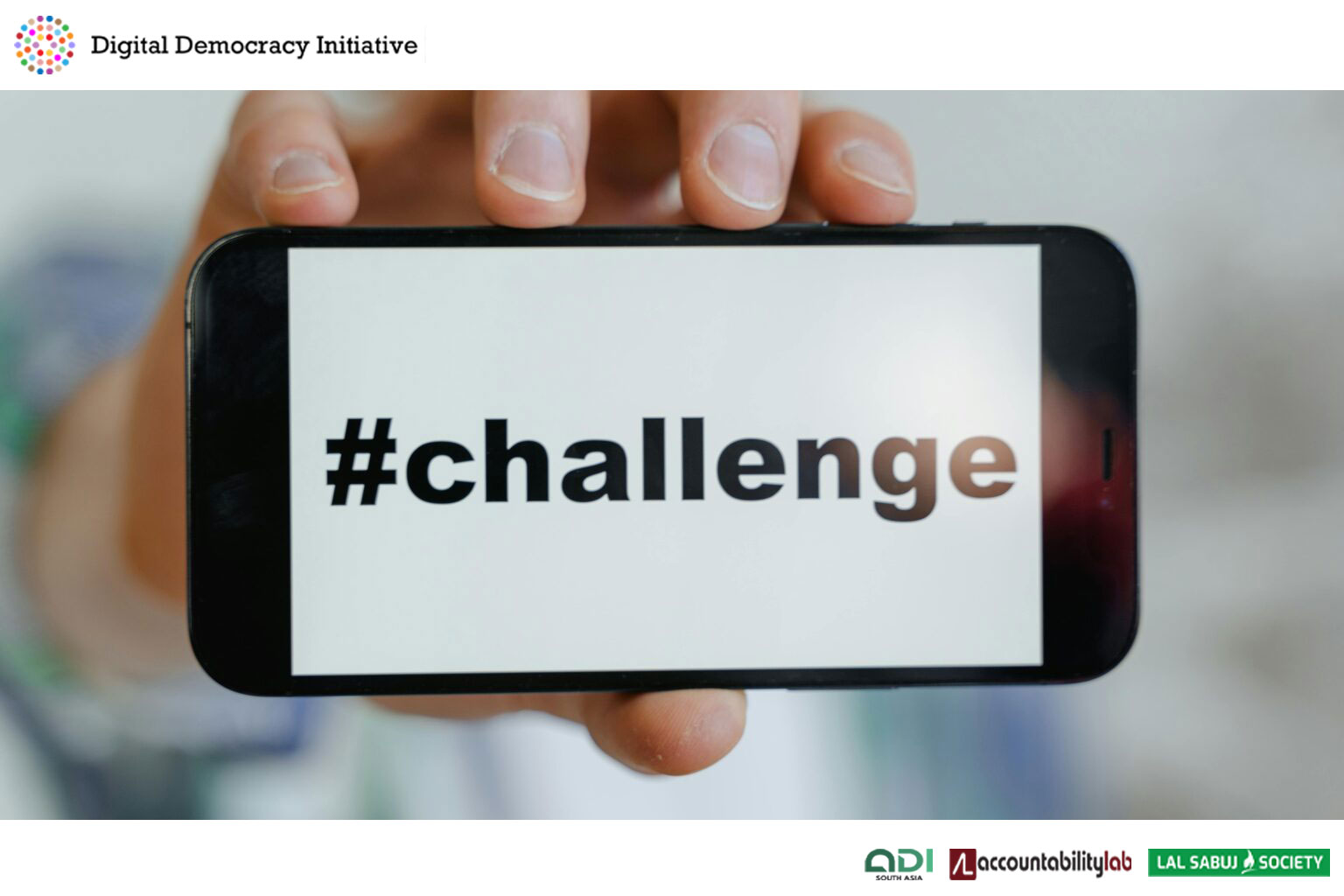
“#MeToo”— is it just a collection of a few words on the internet? The answer is no longer that simple. Stories that once ended in silent sighs behind closed doors are now shaking the foundations of society through the power of a hashtag (#). In Bangladesh, a hashtag is no longer just a trend for the youth; it has become a new language for claiming rights.
A Voice for the Common People on the Digital Stage
In the past, stories of local problems or exploitation were limited to conversations at tea stalls. But now, a photo of child labor in Savar or a video of a broken school roof in Narsingdi quickly turns into #StopChildLabour or #EducationForAll.
This is the greatest strength of digital democracy. It does not leave ordinary people as mere spectators; it transforms them into active participants. As college student Mahmuda Akter put it: “I only posted a photo of a problem in my area with a hashtag. I never thought it would reach the administration. But as online support grew, the authorities were forced to take action.”
2024: The Hashtag as a Symbol of Revolution
The political and social impact of hashtags in Bangladesh was most visible during the #QuotaMovement of 2024. Thousands of posts, Facebook lives, and protest slogans gathered under this single symbol. It didn’t just spread information; it united scattered frustrations into a single force.
This mirrors international movements like #BlackLivesMatter or the #ArabSpring of 2011. The only difference is that when the Arab Spring hit the streets, the world learned what ‘digital activism’ truly was. Bangladesh is now riding that same wave.
Statistics and Current Reality
According to the Bangladesh Telecommunication Regulatory Commission (BTRC) and global statistics, the number of internet users in Bangladesh exceeded 130 million by early 2024, with a huge portion active on social media. When this massive population uses a specific hashtag on an issue, the platform’s ‘algorithm’ takes notice.
However, there is a subtle battle here. Algorithms prioritize posts that get more reactions. Sometimes, influential groups or political parties use ‘bots’ or ‘paid campaigns’ to sway public opinion. This is called ‘Digital Manipulation.’ As a result, the voices of ordinary people can sometimes get lost in this artificial storm.
Women’s Empowerment and the Path Ahead
Digital platforms have broken down invisible walls for women. Many women, like Mahbuba Islam, are now standing up against river pollution or social superstitions using hashtags like #SaveRiver or #WomenForChange. A woman who once hesitated to speak in public now holds the hashtag as a powerful pen in her hand.
Will Limitations Remain?
Does every hashtag succeed? The reality is somewhat different. Many broken roads remain the same despite going viral under #FixOurRoads. While online solidarity creates administrative pressure, there is often a lack of bureaucratic will to implement changes. Furthermore, the ‘Digital Divide’ between rural and urban areas still exists. The sorrow of a villager who does not own a smartphone never makes it to the ‘trending’ list.
A hashtag is not just a symbol; it is a mirror of our times. While it increases democratic participation, it also spreads misinformation or ‘fake news.’ Yet, despite all challenges, the hashtag has become a digital tool for marginalized people to fight for their rights. Like the waves of a digital ocean— sometimes calm, sometimes turbulent but it is constantly redefining our state and society.