

Share Articles
Latest Articles
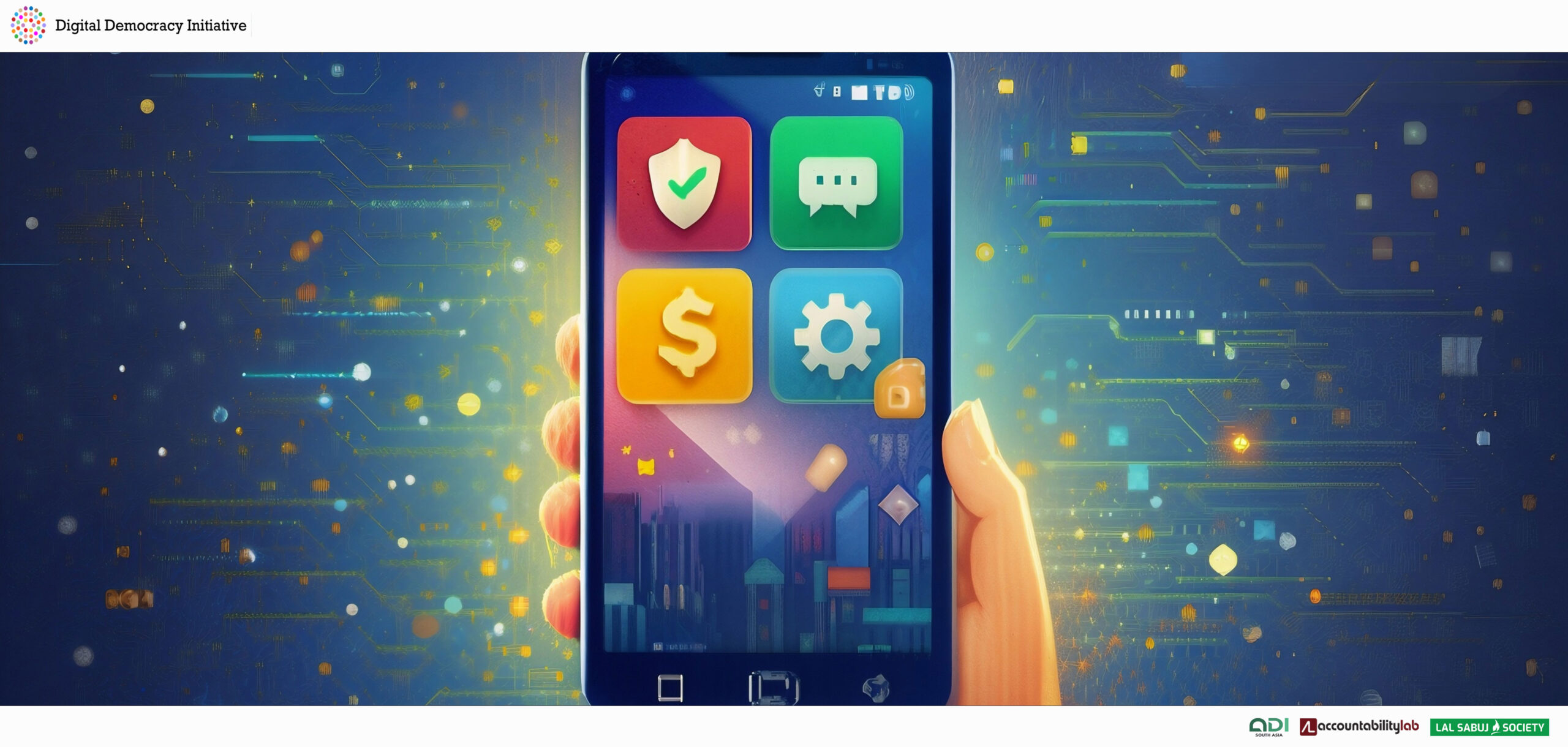
The core of digital democracy is making the voices of citizens visible and influential. The Right to Information (RTI) Act of 2009 provided the legal foundation for this process. However, the smartphone has brought the practical use of this law to the common people.
Iti Akter, a student at Lakshmipur Government College, said: “I had only heard of the RTI Act before. Now, I have searched for it and read the law on my mobile. I even downloaded the application form. At least now I know that asking questions is my right.” This simplification is the lifeblood of digital democracy.
The Changing Relationship between Administration and Citizens
Through a smartphone, a citizen can now find out how much money was allocated for a local road project or what the quality of work should be. This accountability keeps the administration alert.
Kaithoai Pru Marma, the Upazila Nirbahi Officer (UNO) of Lakshmipur Sadar, said: “People are much more aware now. They know the laws and rules and ask for information directly. This is increasing transparency and accountability in the administration.” When officials know that citizens are aware and can verify information through technology, it becomes easier to maintain a balance of power.
The Other Side of the Coin: Reality and Challenges
However, this journey of technological progress is not without obstacles. The benefits of digital democracy are not reaching everyone equally. Three main challenges are visible:
- Digital Divide: A student in the city can easily get information using a smartphone, but a farmer or a laborer in a remote area is still lagging behind due to a lack of technical knowledge. The cost of the internet and the lack of stable connections are also major barriers.
- Reluctance and Delays: In many cases, even if someone applies online, they do not receive information within the fixed time. Bureaucratic delays still slow down the speed of digital applications.
- Insecurity and Harassment: There are complaints that asking for sensitive information sometimes leads to indirect threats or intimidation. Protecting the data and ensuring the safety of the applicant remains a big challenge.
Awareness is the Solution
Digital democracy will only be effective when ‘Digital Literacy’ is combined with smartphones. Having a smartphone is not enough; one must know how to apply correctly and how to use the information responsibly.
In today’s Bangladesh, a smartphone is not just for entertainment; it is a platform for practicing citizen rights. The legal power given by the RTI Act of 2009 is being turned into reality by smartphones. This combination of technology and law has made asking questions a simple habit rather than an act of bravery. This change in mindset is the true foundation of a transparent and accountable democratic society.